

HAND – CONTENT 01
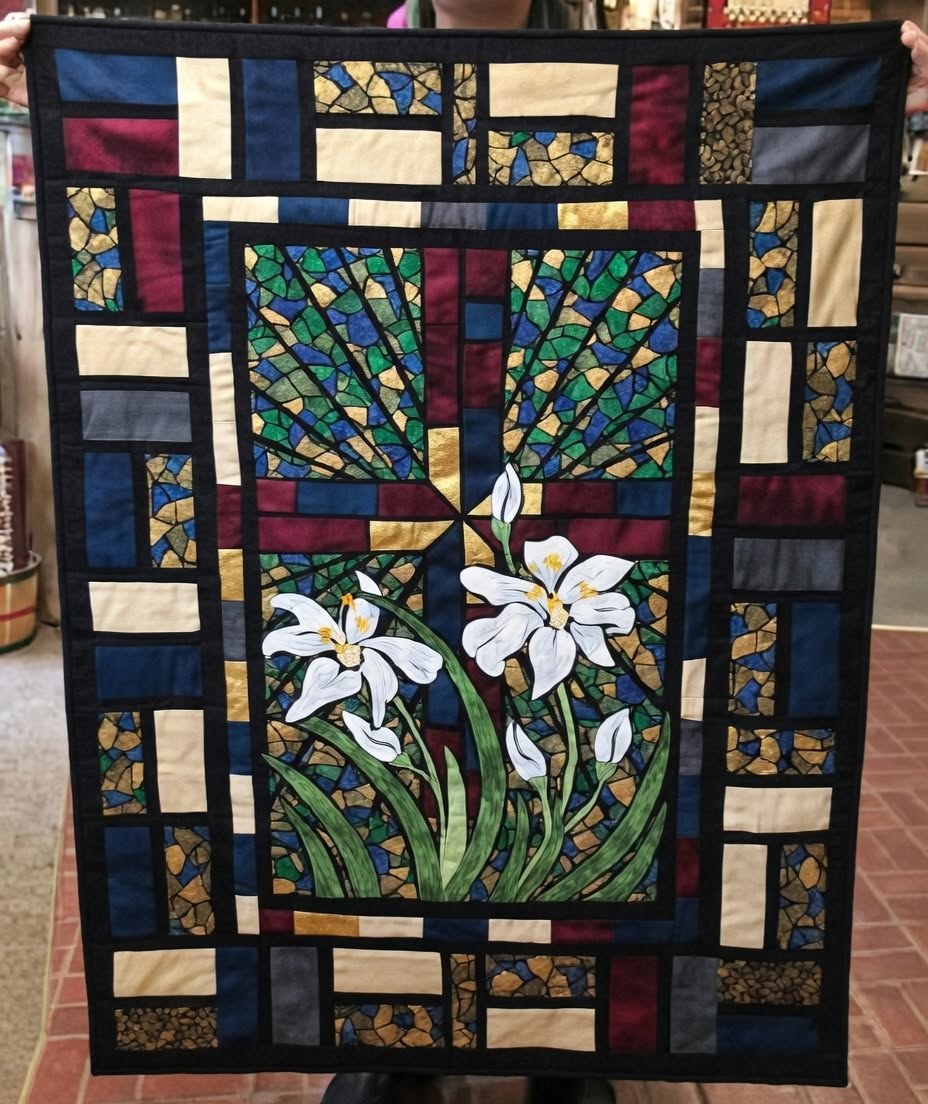
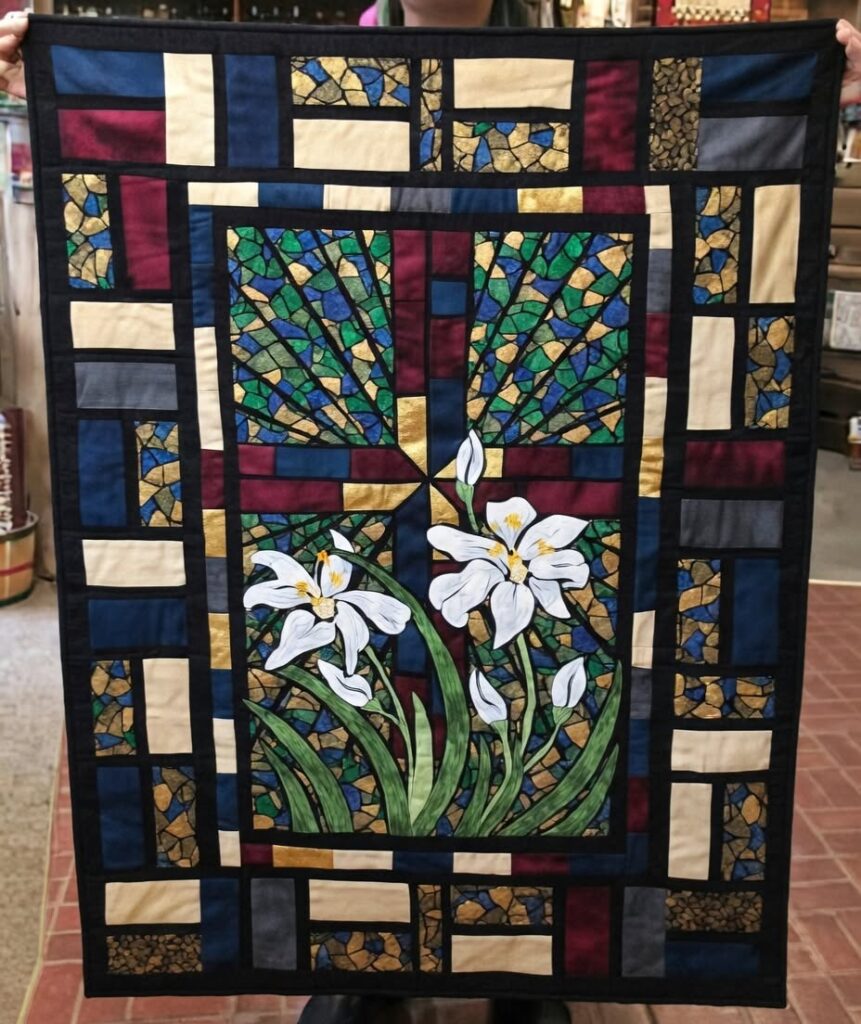
A Stained Glass Lily Quilt Pattern is a beautiful way to combine traditional quilting techniques with the elegance of floral designs. Inspired by the appearance of stained glass windows, this style uses contrasting fabric pieces and dark outlines to create a striking visual effect.
One of the most appealing features of a stained glass lily quilt is the opportunity to experiment with color, shape, and fabric texture. Whether you prefer bold colors or softer shades, this quilting project allows you to express your creativity while developing useful sewing skills.
HAND – CONTENT 02
Creating a Stained Glass Lily Quilt Pattern can also be a rewarding experience for quilters who enjoy working with detailed designs. Careful fabric placement, accurate cutting, and consistent stitching all contribute to the final appearance.
Materials and Fabric Selection for a Stained Glass Lily Quilt Pattern
SEE MORE PATTERNS
Choosing the right fabric is an important first step when making a Stained Glass Lily Quilt Pattern. Quilting cotton is a popular option because it is easy to cut, sew, and press. Selecting fabrics with compatible weights helps the different sections fit together neatly and creates a more consistent finished surface.
Color contrast is essential for achieving the stained glass effect. Choose fabrics for the lily petals that stand out against the background, and consider green shades for the leaves and stems. Dark fabric strips or outlines can help define the individual shapes and create the appearance of leading between pieces of colored glass.
You will also need basic quilting supplies, including a rotary cutter, cutting mat, ruler, sewing machine, thread, pins or clips, and an iron. Depending on the pattern, fusible web or other appliqué materials may be useful. Preparing your supplies in advance can make the process more organized and reduce interruptions while working.
HAND – CONTENT 03
Construction Techniques and Floral Design Details
The construction of a stained glass lily quilt pattern often involves arranging fabric shapes to create a recognizable floral image. Some designs use appliqué techniques, while others incorporate pieced sections and contrasting strips. Review the instructions carefully to understand how the petals, leaves, and background are assembled.
Accurate cutting is especially important when working with curved petals and narrow outlines. Prepare a template if your pattern includes unusual shapes, and label each fabric section before sewing. Taking time to organize the pieces helps maintain the intended design and reduces the chance of placing a shape incorrectly.
The stained glass effect depends on clearly defined boundaries between the colored sections. Dark outlines can be added according to the chosen pattern, creating contrast and emphasizing the lily’s shape. Pressing seams carefully and maintaining consistent stitching can improve the overall appearance and help the quilt lie flat.
Creative Variations and Customization Ideas
A Stained Glass Lily Quilt Pattern offers many opportunities for personalization. You can choose a single large lily as the main focal point or arrange several flowers across the quilt top. A symmetrical layout creates a traditional appearance, while an asymmetrical composition can produce a more contemporary design.
Color combinations can dramatically change the mood of your stained glass floral quilt. Rich reds, purples, and golds create a bold effect, while pale pinks, creams, and soft greens offer a gentler look. Choosing a consistent palette helps the finished quilt feel balanced and allows the lily motif to stand out.
You can also adjust the quilt’s dimensions to suit your intended use. A small wall hanging may be ideal for displaying the floral design, while a larger quilt can become a decorative bed covering or sofa accent. Consider the placement of the finished piece before cutting fabric, and make sure any resizing follows the pattern’s proportions.
Finishing, Quilting, and Caring for Your Floral Quilt
Finishing a Stained Glass Lily Quilt Pattern involves assembling the quilt top, batting, and backing before quilting the layers together. Carefully smooth each layer to reduce wrinkles and shifting. Basting the quilt securely before stitching can help maintain alignment throughout the quilting process.
Quilting stitches can enhance the floral design by adding texture and definition. You may choose simple straight lines, gentle curves, or stitching that follows the shape of the petals and leaves. Consider how the quilting will interact with the dark outlines and colorful fabric sections before deciding on the final design.
Proper care helps preserve the colors and structure of your stained glass lily quilt. Follow the care instructions for the fabrics and batting, wash gently when appropriate, and avoid excessive heat. Store the quilt in a clean, dry place when it is not being displayed, and inspect the seams periodically for signs of wear.
FAQ About Stained Glass Lily Quilt Pattern
What is a Stained Glass Lily Quilt Pattern?
