

Row 3 count: 20 sc.
Rows 4 Through 8: Complete the Practice Strip
For each remaining row, repeat the following instructions:
- Ch 1 and turn your work.
- Work 1 sc into the first stitch.
- Work 1 sc into each remaining stitch across.
- Check that you have 20 stitches before turning again.
Repeat these instructions for Rows 4, 5, 6, 7, and 8.
Rows 4 to 8 count: 20 sc per row.
After completing Row 8, your practice strip should have one foundation row and seven additional single crochet rows.
Color Changes for a Multicolor Crochet Sample
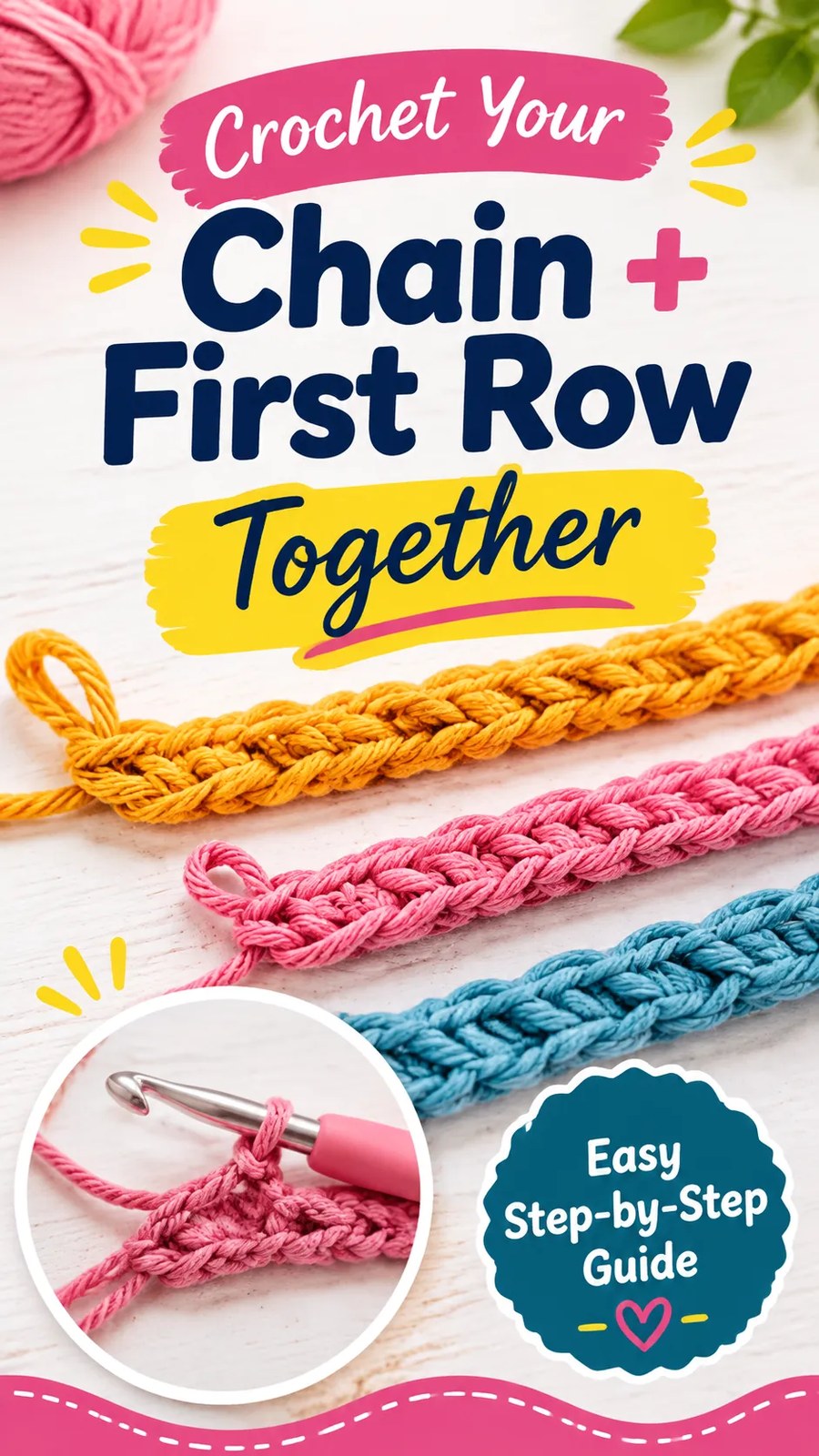
The colorful examples can be recreated by making separate strips in mustard yellow, dusty pink, and muted blue. Each strip uses the same foundation technique and row instructions.
If you prefer one multicolored practice strip, you can also change yarn colors after completing selected rows.
- Work the foundation row and Rows 2 and 3 in your first color.
- At the end of Row 3, begin the final yarn over of the last single crochet with the new color.
- Pull the new color through the two loops on your hook to complete the stitch.
- Ch 1 and turn. Continue Row 4 with the new color.
- Work Rows 4 and 5 in the second color.
- Change to a third color at the end of Row 5 and work Rows 6 through 8.
When changing colors, keep the yarn relaxed and avoid pulling the new strand too tightly. Leave a tail long enough to weave in securely.
Final stitch count: 20 stitches in every row, including the foundation row. The finished sample contains 160 completed stitches in total.
Fastening Off and Finishing
- After completing Row 8, cut the yarn, leaving a tail approximately 6 inches (15 cm) long.
- YO and pull the cut end completely through the final loop on your hook.
- Gently tighten the final loop without distorting the last stitch.
- Thread the yarn tail onto a yarn needle.
- Weave the tail through several stitches on the wrong side of the fabric.
- Change direction and weave through a few more stitches to help secure the end.
- Trim the remaining yarn close to the fabric without cutting any stitches.
Repeat the finishing process for the beginning yarn tail. Your foundation single crochet practice strip is now complete.
Customizing the Crochet Chain and First Row
One of the biggest advantages of foundation single crochet is that you can adjust the width of your project simply by changing the number of foundation stitches. You do not need to calculate a separate starting chain and then work a full first row into it.
Making the Sample Wider or Narrower
The original practice strip uses 20 foundation single crochet stitches. To make a narrower or wider sample, simply change the number of foundation stitches.
| Foundation stitches | Approximate width | Suitable purpose |
|---|---|---|
| 12 | 3.4 inches (8.6 cm) | Small stitch sample |
| 20 | 5.7 inches (14.5 cm) | Original practice strip |
| 28 | 8 inches (20.3 cm) | Wider crochet sample |
| 36 | 10.3 inches (26.2 cm) | Small decorative panel |
These widths are approximate and based on the suggested gauge of 14 stitches per 4 inches. Your actual dimensions will depend on your yarn, hook, and individual tension.
Adjusting the Length
To make the sample longer, add more single crochet rows after the foundation row. Each additional row contributes approximately 0.29 inches (0.7 cm) to the height when working at the suggested gauge.
For a shorter practice sample, complete fewer rows. You can still learn the foundation technique with one foundation row and two additional single crochet rows.
Choosing Different Crochet Colors
Color is an easy way to make your crochet practice strips more interesting. The mustard yellow sample creates a warm, cheerful appearance, while dusty pink gives the fabric a soft and delicate finish. Muted blue offers a cooler, contemporary look.
Try these combinations:
- Warm palette: Mustard yellow, terracotta, and cream.
- Soft palette: Dusty pink, blush, and ivory.
- Cool palette: Muted blue, sage green, and light gray.
- Classic palette: Navy, white, and natural beige.
For a practice collection, make three identical strips in different colors. This is a helpful way to compare stitch definition and see how yarn color affects the appearance of foundation single crochet.
Common Foundation Single Crochet Mistakes and How to Fix Them
Foundation single crochet may feel unusual at first because you are creating the bottom edge and the first row simultaneously. Most difficulties come from placing the hook in the wrong loop, using inconsistent tension, or forgetting the separate chain-making step within each stitch.
The Foundation Edge Is Too Tight
A tight foundation edge can make your crochet strip curl or pull inward. This usually happens when you pull the yarn too firmly while creating the foundation loops.
How to fix it: Relax your yarn tension and allow the foundation loops to form naturally. If necessary, try a hook that is 0.5 mm larger for the foundation row, then switch back to the recommended hook for the following rows.
The Foundation Loops Are Difficult to Find
The small loop at the bottom of each foundation stitch can be difficult to identify when you are learning the technique. Beginners sometimes accidentally insert the hook into the top V instead.
How to fix it: Rotate your work slightly toward you and examine the bottom of the previous stitch. The foundation loop should look like a small chain link. Insert your hook under both strands of this loop.
The First Row Has an Uneven Appearance
Uneven stitches may occur if some foundation loops are larger than others. This can make the lower edge look inconsistent.
How to fix it: Focus on keeping each pull-up loop at approximately the same height. Avoid tightening the loop immediately after pulling it through. Work slowly until your hands develop a comfortable rhythm.
The Stitch Count Does Not Match
It is easy to accidentally skip a foundation stitch, particularly at the beginning or end of a row.
How to fix it: Count each completed foundation single crochet as one stitch. Place a stitch marker in the first and last stitch of longer rows. Check the stitch count before turning your work.
The Fabric Looks Twisted
Twisting can happen when the foundation row is turned in different directions while you work. It can also occur when the starting loops are too tight.
How to fix it: Keep the foundation row facing consistently toward you and make sure the chain-like loops remain aligned underneath the stitches. Lay your work flat occasionally to check the edge.
Important: Do not force the hook through a foundation loop that is too tight. Doing so can split the yarn or distort the stitch. Loosen your working tension or use a slightly larger hook for the foundation row instead.
Finishing, Blocking, and Caring for Your Crochet Sample
Once the last row is complete and both yarn ends have been woven in, take a moment to shape the fabric. Foundation single crochet generally creates a flexible lower edge, but the finished sample can still benefit from gentle blocking if the stitches look uneven.
How to Block the Practice Strip
- Check the yarn care instructions before applying moisture or heat.
- For washable cotton or acrylic yarn, gently wet the sample if the fiber permits.
- Remove excess water by pressing the fabric gently inside a clean towel.
- Lay the strip flat on a suitable blocking surface.
- Adjust the edges until the fabric is straight and the foundation row is evenly aligned.
- Allow the sample to dry completely before removing it from the blocking surface.
Avoid stretching the foundation edge excessively. The aim is to even out the fabric, not to change its intended dimensions.
Care Recommendations
Care depends on the yarn fiber you choose. Cotton and many acrylic yarns are relatively easy to maintain, but always check the yarn label before washing.
- Use a gentle washing method appropriate for the fiber.
- Avoid harsh detergents that may damage or roughen the yarn.
- Do not wring the sample aggressively.
- Reshape the strip while damp if necessary.
- Dry flat when the yarn care instructions recommend it.
Keep your finished practice strip as a reference sample. You can use it to compare future foundation rows, check your stitch tension, and remember how to identify the correct foundation loops.
Creative Ways to Use Foundation Single Crochet
Although the practice strip is a small project, the technique itself has many applications. Once you understand how to make the foundation loops, you can use this construction to start larger crochet pieces without creating a separate chain first.
Crochet Scarves and Cowls
A flexible starting edge is useful for scarves and cowls because it helps the bottom edge move naturally with the fabric. Foundation single crochet is especially convenient when you want to begin with a specific number of stitches rather than calculating a long chain.
Blankets and Throws
For blankets, the technique offers a practical alternative to a traditional starting chain. A foundation row can be created to the desired width, and additional stitch patterns can be worked into the top of the foundation stitches.
Crochet Bags and Decorative Panels
Foundation single crochet can also be used to begin bag panels, organizers, and decorative strips. Its integrated construction makes it easier to establish the first row before adding more texture, color changes, or decorative borders.
Garments and Wearable Crochet
For garments, a foundation row can be useful when you want a starting edge with more flexibility. It is important to check the garment gauge and intended fit before increasing the number of foundation stitches. The foundation method does not replace the need for accurate sizing or appropriate stitch patterns.
At a Glance: Crochet Chain and First Row Together
- Best yarn: Smooth worsted-weight cotton, cotton blend, or acrylic.
- Skill level: Confident beginner.
- Key technique: Foundation single crochet, which combines the chain and first row.
- Recommended hook: 5 mm, US H-8, adjusted to suit your tension.
- Size adjustment: Add or remove foundation stitches to change the width and additional rows to change the length.
- Finishing method: Weave in the ends and gently block if needed.
Master the Crochet Chain and First Row Together Technique
Learning how to crochet a chain and first row together is a valuable step toward creating neater, more flexible crochet projects. Foundation single crochet offers a practical alternative to the traditional starting chain, allowing you to build the foundation and the first row of stitches in one continuous process.
The small practice strip in this tutorial is an easy way to understand the technique before using it in a larger project. Start with smooth yarn, a comfortable crochet hook, and a manageable number of stitches. Pay attention to the small foundation loops, maintain even tension, and count your stitches regularly.
Once you become comfortable with the movement, experiment with different yarn colors, adjust the foundation width, and try incorporating the technique into scarves, blankets, bags, and garments. Read through the complete pattern before beginning, check your gauge when working on a larger project, and choose yarn that suits your intended fabric.
Most importantly, take your time and enjoy practicing. Every neat foundation stitch helps build confidence and makes future crochet projects easier to start. Save this foundation single crochet tutorial as a handy reference for your next handmade creation!
Tags
Foundation Single Crochet
Crochet Chain Tutorial
Crochet for Beginners
Crochet First Row
Easy Crochet Stitches
Crochet Foundation Row
Crochet Tips and Tricks
Free Crochet Pattern
